Services
ASSR
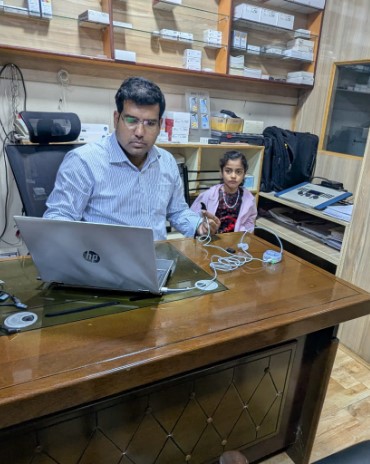
The auditory steady-state response (ASSR) can be thought of as an electrophysiologic response to rapid auditory stimuli. The goal of ASSR is to create an estimated audiogram from which questions regarding hearing, hearing loss, and aural rehabilitation can be answered. ASSR allows the hearing care professional to create statistically valid audiograms for those unable or unwilling to participate in traditional behavioral tests. ASSR relies on statistical measures to determine if and when a threshold is present. ASSR design and functionality vary across manufacturers. Authors’ note: ASSR was previously referred to as SSEP (Steady State Evoked Potential) and/or AMFR (Amplitude Modulation Following Response).
BOA
Behavioral Observation Audiometry (BOA) BOA test is performed primarily as a subjective test of complementary test to the objective test (OAE, AI, ABR). It is performed in order to confirm the results of the research objective and in order to observe the child’s behavioral response to the given sound stimulu. Test involves administration of stimuli known to the child or adequate to the developmental age, ie. onomatopoeias, the sounds of musical instruments. It can also be used as an auditory reactions screening test. This test provides very important information for the hearing care professional, as in the case of the occurring and recurring reactions it shows the actual threshold of child’s hearing for a given frequency. BOA How is the BOA performed?? The examining doctor or the professional observes the child’s response on a given sound stimulus. Children under 1 year of age are examined on the changing table, which is placed in a calibrated free-field. From the speakers are sounds at a specific frequency and volume played, while the researcher observes characteristics, scope, intensity and frequency of the child’s responses. For older children, the test is carried out on the parent’s lap or unassisted on the chair / wheelchair / baby carrier.
OEAs
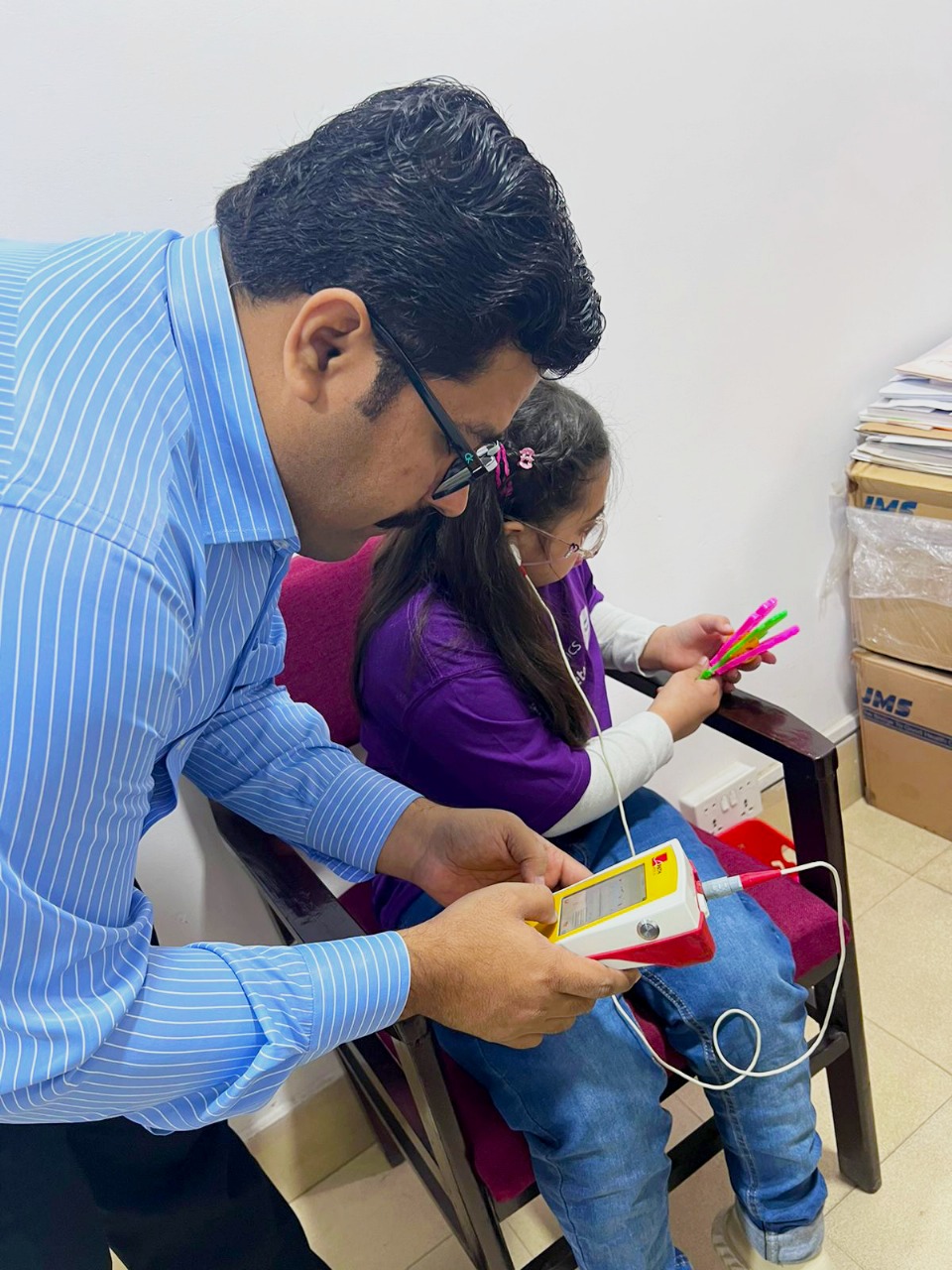
Otoacoustic Emissions (OEAs) Otoacoustic Emissions Testing is to fully determine the status of your hearing, and an otoacoustic emissions test can measure the emissions of the cochlea inside your ear. This can offer a more exact solution for any of your hearing problems or concerns. Distortion product otoacoustic emissions (DPOAEs) reflect outer hair cell integrity and cochlear function. When used appropriately in the audiology clinic, they are an effective diagnostic tool and can detect hearing loss with accuracy. DPOAEs are easily and rapidly recorded in newborns and children and provide basic hearing screening information as well as detailed diagnostic information in cases of suspected hearing loss. In the past decade, solid guidelines have been established to select the most effective recording parameters, thereby optimizing the DPOAE’s diagnostic potential. DPOAEs also provide hearing scientists with a frequency-specific and noninvasive probe of the cochlea and cochlear amplifier function. Sophisticated and complex DPOAE-based experimental paradigms have been developed and applied to address scientific questions about cochlear function in humans. One such paradigm, DPOAE ipsilateral suppression, has been used effectively in our laboratory to study the maturation of cochlear function in newborns. Because of its proven accuracy as a clinical tool for the detection of hearing loss and its extensive use as a scientific tool for cochlear exploration

Tympanometry
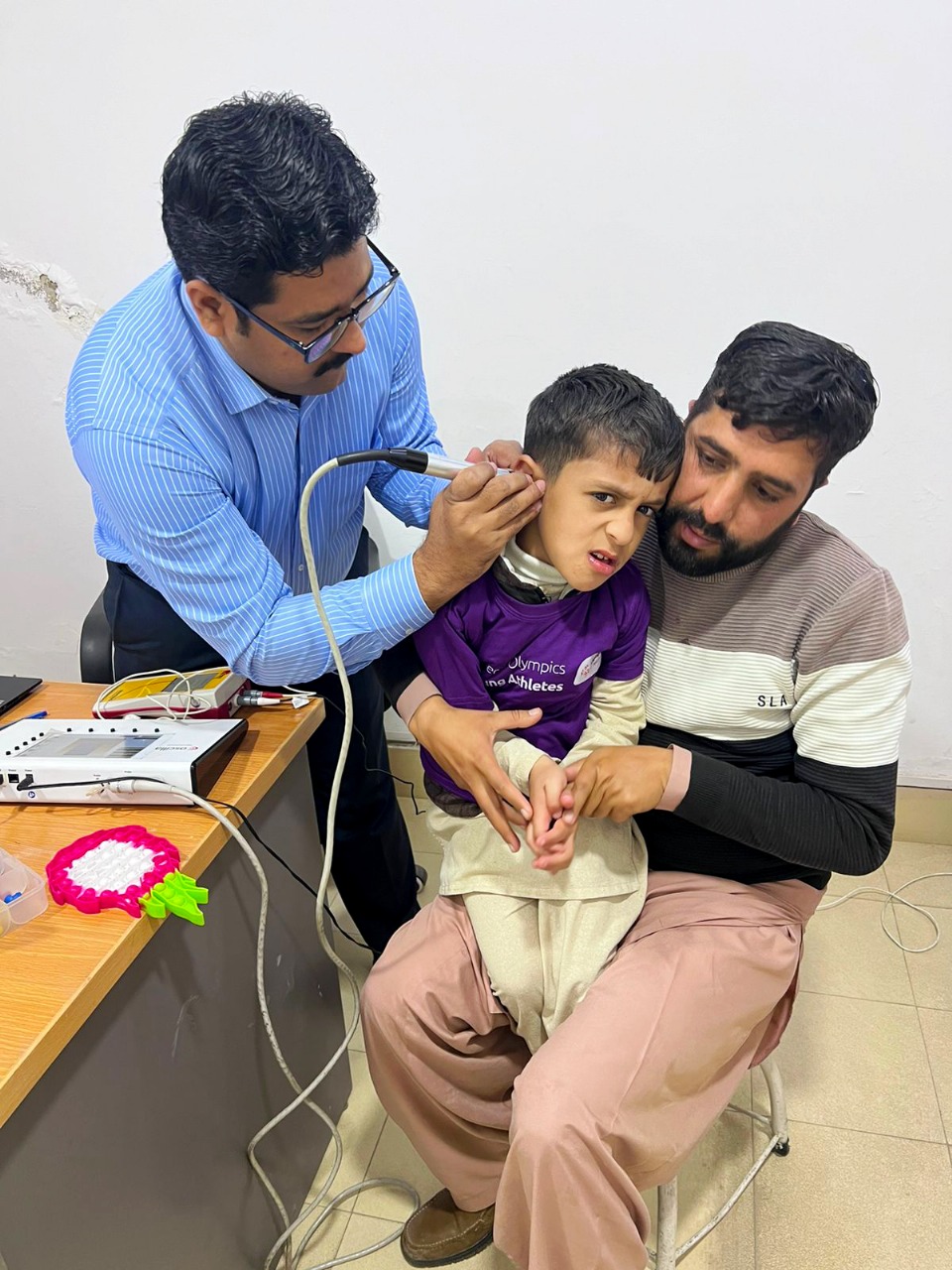
Tympanometry, Acoustic Reflex Tympanometry assesses the volume of the ear canal, the integrity of the tympanic membrane, and the middle ear pressure, while the acoustic reflexes examine the presence of retrocochlear and facial nerve pathology by using the reflexive contraction of the stapedius muscle in the middle ear in response to loud sound.
BERA
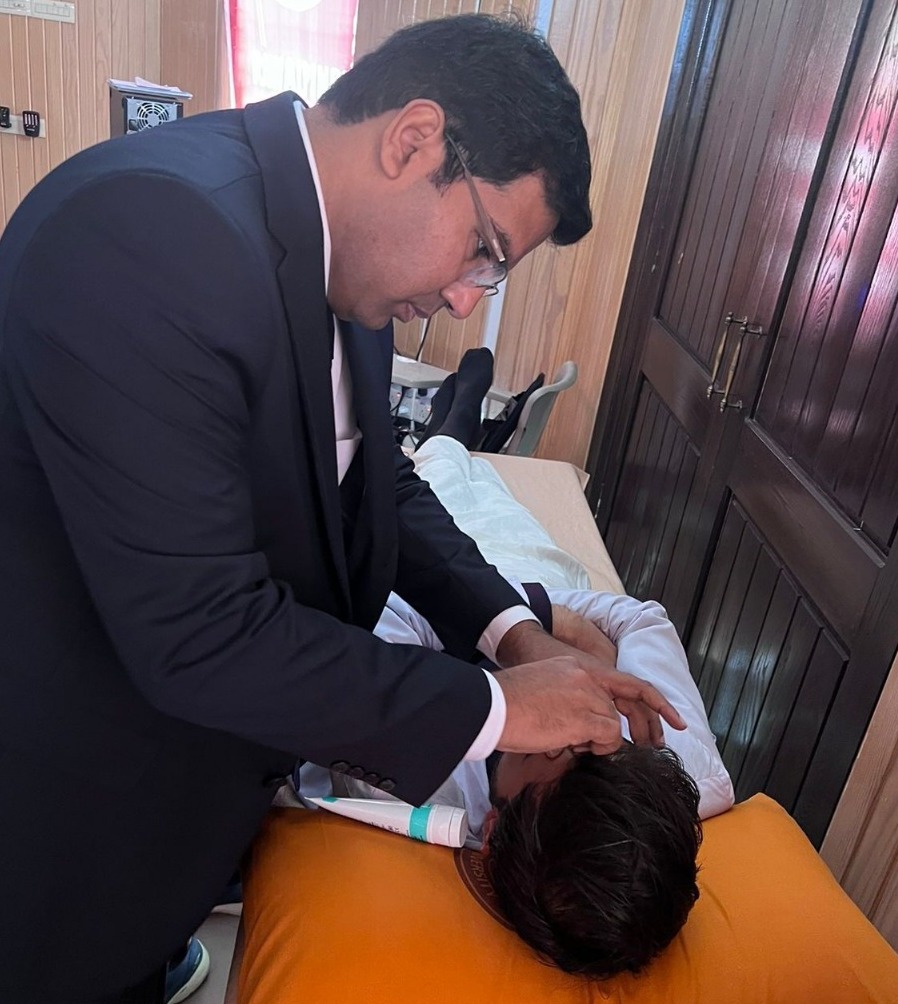
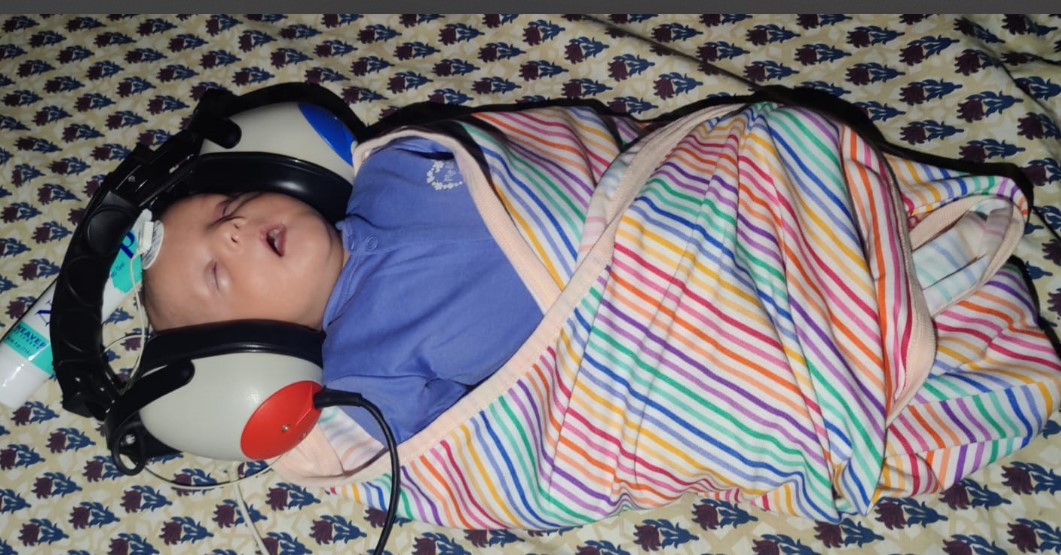
Brainstem Evoked Response Audiometry (BERA) Brain Evoked Response Auditory (BERA) is a hearing examination performed on children aged 1 to 3 years. Meanwhile, for children with a smaller age, Oto Acoustic Emission (OAE) examination can be carried out. If the BERA test results are stated in good condition, it can be concluded that the child’s hearing function is within normal limits and no further medical treatment is necessary. However, if the BERA test results are declared abnormal, then the examination will continue with the estimation or prediction of the hearing threshold and hearing rehabilitation must be carried out as early as possible by using hearing aids. BERA test itself will take approximately one hour. Why do the BERA Test? Hearing loss in children is difficult to know from the beginning. Hearing loss can cause speech, language, cognitive, social and emotional problems. Therefore, it will be better if the hearing test in children is done early. In addition, in determining the hearing threshold, BERA is also used in otoneurologic diagnosis. This is useful for patients with unilateral or asymmetrical hearing loss (hearing nerve tumors, brain tumors, other nerve disorders, multiple sclerosis, etc.). BERA Healthy hearing is when the auditory nerve is able to transmit sound impulses from the ear to the brain at a certain speed. The BERA test can provide information on whether nerves convey sound impulses to the brain and whether the speed of sound delivery is within normal limits. This hearing examination can determine the type of abnormality (conductive or sensorineural), severity (hearing threshold), and hearing loss (inner ear or other parts) of the child. BERA Test Procedure BERA can be done without the patient needing to do anything. Patients only need to lie down and preferably in a calm attitude or while sleeping. For children, this examination can be done in the wake, sleep, or in anesthesia (although rarely). Electrodes will be placed on the patient’s head and behind the ear during the BERA test procedure. When the examination is done, the patient will be heard various sounds through headphones. This examination measures changes in brain electrical activity (EEG) in the provision of acoustic stimuli. Abnormalities that occur in the transmission of signals when the sound is heard indicates hearing loss. This examination has no risk of complications, is painless, and does not require special preparation for the BERA test.
VRA
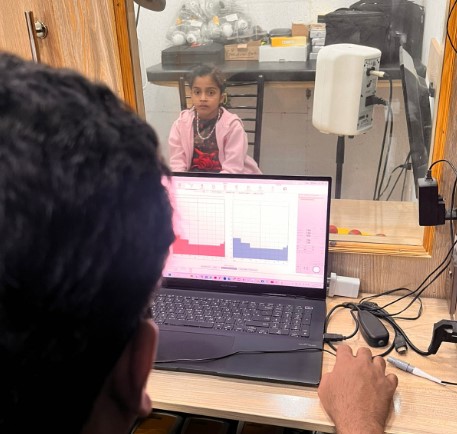
Visual Reinforcement Audiometry (VRA) The Visual Reinforcement Audiometry (VRA) test measures hearing sensitivity and is for patients who are not able to perform traditional testing due to age or developmental limitations. The test is typically performed on children aged seven months to two and a half years. VRA Procedure During the test, the child sits on the parent’s lap in a sound booth (booth with a window that is insulated to outside noise), where speech sounds and tones are presented through two speakers in corners of the booth. The typical response is a head turn in the direction of the speaker, reinforced by lighting an animated toy above the speaker. Once the child is conditioned to respond to the sound, the intensity of the signal is decreased to determine his or her child’s hearing sensitivity. Limitations Results obtained while testing through the speakers represent the hearing sensitivity of the better hearing ear, should a difference between ears exist. In order to obtain ear-specific information, testing must be conducted under headphones, which may not be tolerated by younger children. In addition, results may be limited by developmental level and/or attention span.

CI Mapping
Cochlear Implant (CI) Mapping CI Mapping is a critical process for individuals with cochlear implants. It involves fine-tuning the sound processor to match the user’s unique hearing levels and comfort thresholds. Each session ensures that the user experiences the best possible sound clarity and speech understanding. Importance Regular mapping is essential to maintain optimal hearing outcomes. Over time, the user’s hearing perception may change, so periodic follow-up sessions help in keeping the implant finely tuned and performing effectively. Importance Regular mapping is essential to maintain optimal hearing outcomes. Over time, the user’s hearing perception may change, so periodic follow-up sessions help in keeping the implant finely tuned and performing effectively.
Aided Audiometry
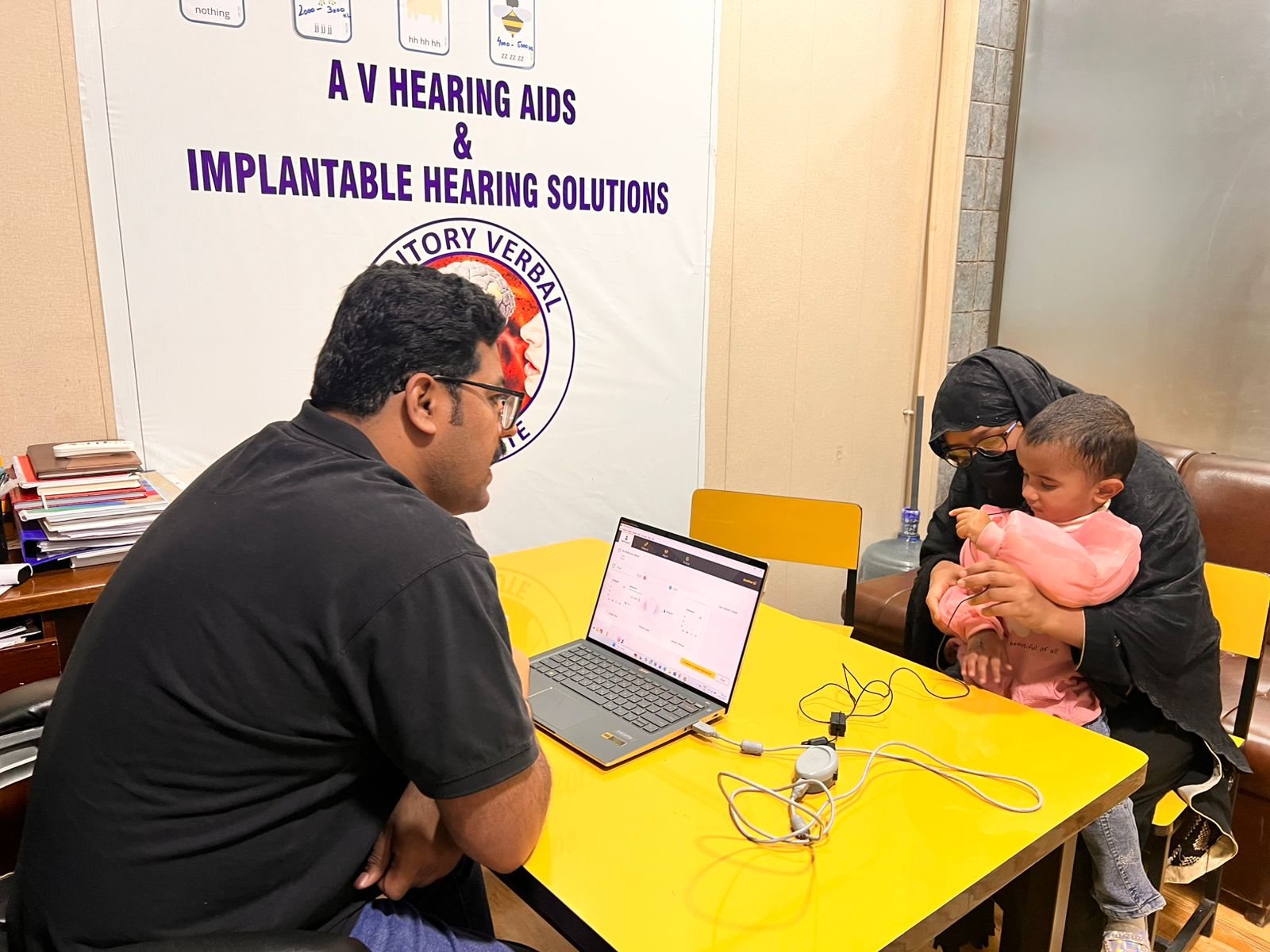
Aided Audiometry The Aided Audiometry Test measures how well a person can hear while wearing hearing aids. It helps determine the effectiveness of the device and ensures that sounds are amplified correctly according to the individual’s needs. Procedure During the test, pure-tone and speech stimuli are presented through speakers while the patient wears their hearing aids. The responses are recorded to assess whether the amplification is providing sufficient audibility and clarity across various frequencies. Benefits Aided audiometry helps in verifying the real-world performance of hearing aids. It ensures that the patient’s device is properly calibrated and provides an opportunity for fine-tuning, resulting in improved communication and listening comfort.
Advanced Bionics Mapping
Advanced Bionics Mapping Procedure The Advanced Bionics Mapping Procedure is a specialized process that fine-tunes cochlear implants to match each patient’s unique hearing profile. This ensures clear sound perception, natural tone quality, and maximum listening comfort in everyday situations. Procedure During the mapping session, the audiologist connects the cochlear implant to advanced programming software and adjusts the electrical stimulation levels for each electrode. These settings are carefully calibrated based on patient feedback to balance loudness, comfort, and clarity across different frequencies. The goal is to help the user hear speech and environmental sounds as naturally as possible. Benefits Regular mapping ensures the cochlear implant continues to deliver optimal performance. It improves speech understanding, sound localization, and overall listening experience. With accurate tuning, users can enjoy clearer conversations, better sound awareness, and enhanced confidence in daily communication.